

Animal Models in Regenerative Medicine: Unlocking the Secrets of Tissue Renewal 🦎🔬
Created on 2024-12-13 12:57
Published on 2024-12-13 13:03
*Animal Models in Regenerative Medicine: Unlocking the Secrets of Tissue
Renewal* 🦎🔬
In the dynamic field of regenerative medicine, animal models are
indispensable for uncovering the mechanisms behind tissue regeneration.
Among these, species like axolotls, zebrafish, and planarians have
captivated researchers for their remarkable regenerative capabilities,
offering profound insights into biological processes with potential
applications in human medicine.
————————————————————————
The Role of Regenerative Animal Models
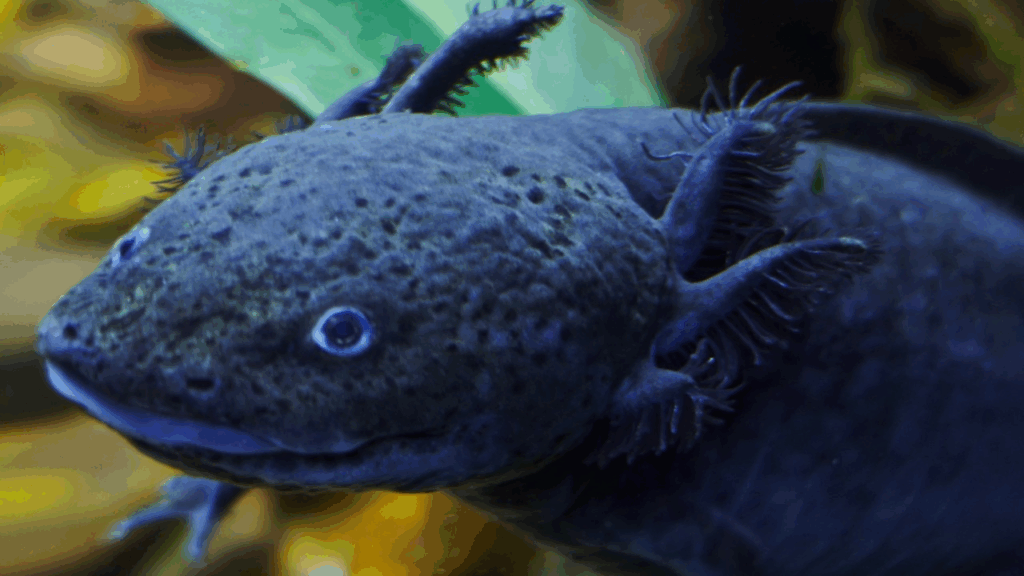
Axolotls (Ambystoma mexicanum): The Masters of Regeneration 🦎
Axolotls are renowned for their ability to regenerate entire limbs,
spinal cords, and even portions of their heart and brain. Their
regenerative prowess is attributed to unique cellular mechanisms,
including the formation of a blastema—a mass of proliferative cells
capable of regrowing complex tissues. Research on axolotls provides
valuable insights into scar-free healing and neural repair (Mehta &
Singh, 2019).
Zebrafish (Danio rerio): Regeneration at the Molecular Level 🐟
Zebrafish serve as another model organism with high regenerative
potential, particularly for fins, the heart, and neural tissues. Their
regenerative process involves intricate genetic pathways, including the
Wnt and Notch signaling cascades, which researchers aim to activate or
mimic in human tissue regeneration (Bohaud et al., 2021).
Planarians: The Limitless Regenerators 🪱
Planarians are celebrated for their ability to regenerate their entire
body from a single fragment. This capacity stems from pluripotent stem
cells, providing a model for studying stem cell biology and cellular
reprogramming.
Mice (Mus musculus): Bridging Basic and Translational Research 🐭
While mice do not naturally exhibit extraordinary regenerative
abilities, genetically engineered models have been developed to mimic
such processes. These models serve as essential tools in translating
findings from regenerative organisms into potential human applications.
————————————————————————
Applications of Regenerative Research
The study of animal models extends beyond basic biology, bridging the
gap between research and clinical applications:
1. Wound Healing and Scar Reduction: Insights from axolotls may help
replicate scar-free healing mechanisms in humans.
2. Organ Regeneration: Zebrafish studies have contributed to advances
in cardiac and liver repair therapies.
3. Spinal Cord Repair: Neural regeneration in axolotls provides a
blueprint for addressing spinal injuries.
4. Cancer Research: Regenerative mechanisms offer parallels to
uncontrolled cellular proliferation, opening new avenues in
oncology.
Large animal models, such as pigs and sheep, are instrumental in
validating regenerative therapies in clinical-like settings, ensuring
the safety and efficacy of treatments before human trials (Ribitsch et
al., 2020; Mangione et al., 2021).
————————————————————————
Challenges in Regenerative Medicine
Despite the promise of regenerative models, significant hurdles remain:
1. Translation to Humans: The limited regenerative capacity in humans
poses a challenge in applying findings directly.
2. Complexity of Processes: Regeneration involves intricate cellular
interactions and signaling pathways that are not fully understood.
3. Ethical Concerns: While beyond the scope of this discussion,
ethical considerations surrounding gene editing and animal use
remain.
————————————————————————
Future Directions and Opportunities
1. Stem Cell Therapies: Leveraging lessons from animal models to
enhance stem cell-based treatments.
2. Gene Editing: Employing CRISPR and other tools to activate
regenerative pathways in human tissues.
3. Bioengineering: Designing scaffolds and tissues inspired by
regenerative organisms to facilitate repair and replacement.
————————————————————————
Bridging Biological Potential
Through the study of extraordinary organisms like axolotls and
zebrafish, researchers aim to decode and replicate nature\’s
regenerative mechanisms. These insights pave the way for groundbreaking
therapies in tissue engineering, trauma recovery, and age-related
degeneration management.
As the field progresses, regenerative medicine holds the promise of
transforming healthcare by moving beyond traditional treatment paradigms
and embracing innovative, biology-inspired solutions.
————————————————————————
Join the Conversation! 💬 How can regenerative animal models revolutionize your research? Share your perspectives on how these biological blueprints can drive medical innovation.
References
1. Ribitsch, I., et al. (2020). *Large Animal Models in Regenerative
Medicine and Tissue Engineering: To Do or Not to Do*. Frontiers in
Bioengineering and Biotechnology,
8. <https://doi.org/10.3389/fbioe.2020.00972>
2. Mangione, F., et al. (2021). *Characteristics of Large Animal Models
for Current Cell-Based Oral Tissue Regeneration*. Tissue
Engineering. <https://doi.org/10.1089/ten.TEB.2020.0384>
3. Mehta, A., & Singh, A. (2019). *Insights into Regeneration Toolbox:
An Animal Model Approach*. Developmental
Biology. <https://doi.org/10.1016/j.ydbio.2019.04.006>
4. Bohaud, C., et al. (2021). *The Role of Macrophages During Zebrafish
Injury and Tissue Regeneration*. Frontiers in Immunology,
12. <https://doi.org/10.3389/fimmu.2021.707824>
Stay tuned for more updates on the frontiers of laboratory research and
regenerative medicine! 🚀